


The Science Of Weight Loss: Strategies For Lasting Results
In a world inundated with fad diets and quick-fix solutions, achieving sustainable weight loss can seem like an elusive goal. However, by understanding the science behind weight loss and implementing evidence-based strategies, you can embark on a journey toward lasting results and improved health. In this comprehensive guide, we’ll explore the science of weight loss and provide practical strategies to help you achieve your goals effectively.
Understanding The Science Of Weight Loss
At its core, weight loss is governed by the simple principle of energy balance: calories consumed versus calories expended. When you consume more calories than your body needs for energy, the excess is stored as fat, leading to weight gain. Conversely, when you consume fewer calories than you expend, your body taps into its fat stores for energy, resulting in weight loss.
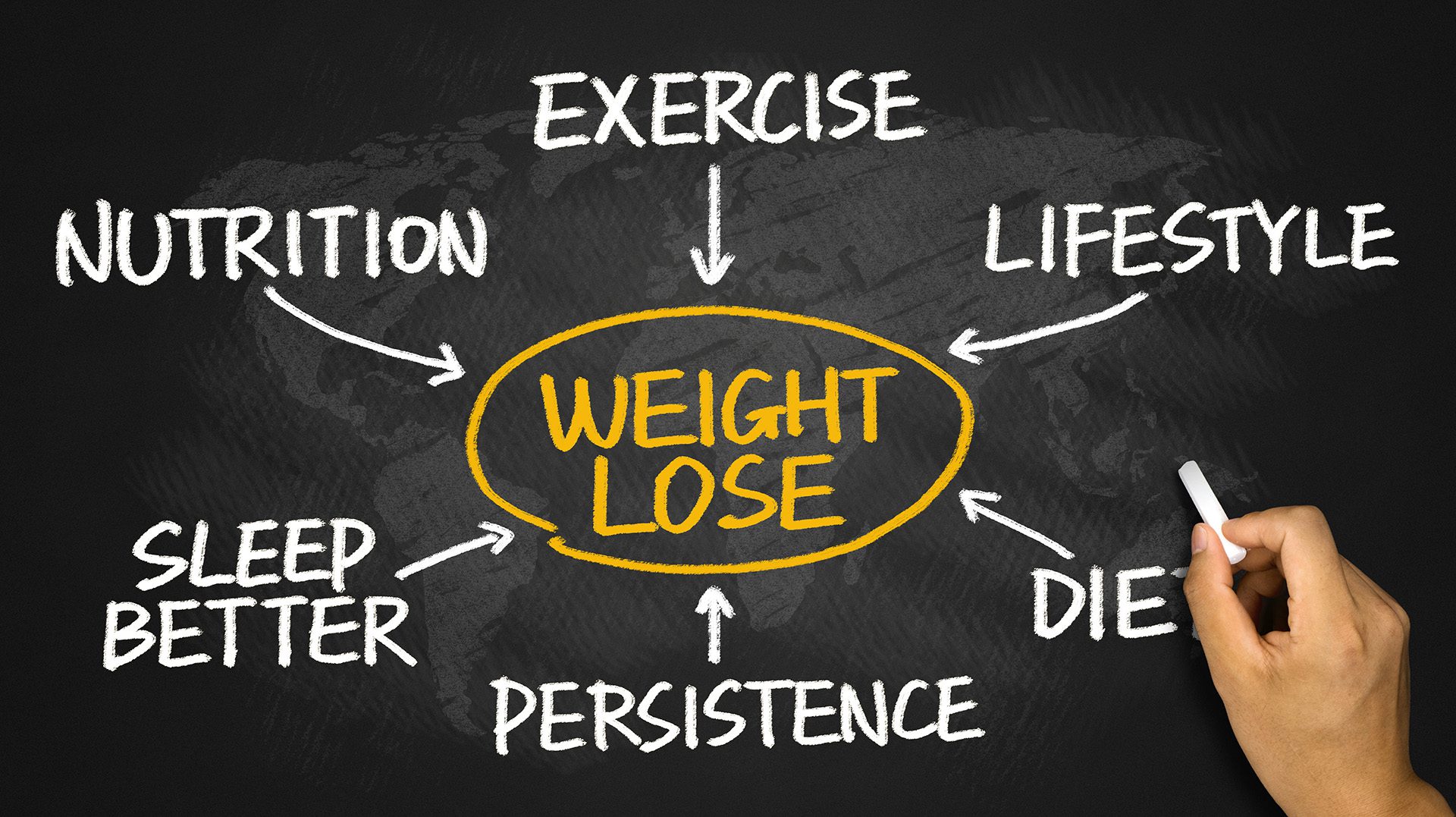
Key Strategies For Lasting Weight Loss
1. Set Realistic Goals
Establishing achievable and sustainable weight loss goals is essential for long-term success. Aim for gradual weight loss of 1-2 pounds per week, as rapid weight loss can often be unsustainable and lead to muscle loss and nutrient deficiencies.
2. Focus On Nutrition
A balanced and nutritious diet is the cornerstone of successful weight loss. Emphasize whole foods such as fruits, vegetables, lean proteins, whole grains, and healthy fats while minimizing processed foods, sugary snacks, and refined carbohydrates.
3. Practice Portion Control
Paying attention to portion sizes can help you manage your calorie intake more effectively. Use smaller plates, measure your servings, and be mindful of portion distortion when dining out.
4. Stay Hydrated
Drinking an adequate amount of water not only helps keep you hydrated but can also aid in weight loss by promoting satiety and preventing overeating. Aim for at least 8-10 glasses of water per day, or more if you’re physically active.
5. Incorporate Physical Activity
Regular exercise is crucial for both weight loss and overall health. Aim for a combination of cardiovascular exercise, strength training, and flexibility exercises to promote fat loss, preserve lean muscle mass, and improve metabolism.
6. Get Adequate Sleep
Poor sleep quality and duration have been linked to weight gain and obesity. Aim for 7-9 hours of quality sleep per night to support healthy metabolism, hormone regulation, and appetite control.
7. Manage Stress
Chronic stress can sabotage weight loss efforts by triggering emotional eating and disrupting hormone balance. Incorporate stress-reduction techniques such as meditation, deep breathing, yoga, or spending time in nature to promote relaxation and well-being.
8. Seek Support
Surrounding yourself with a supportive network of friends, family, or a weight loss group can provide encouragement, accountability, and motivation on your weight loss journey. Don’t hesitate to seek professional support from a registered dietitian or therapist if needed.
Conclusion
Achieving lasting weight loss requires a multifaceted approach that combines sound nutritional principles, regular physical activity, adequate sleep, stress management, and social support. By understanding the science behind weight loss and implementing evidence-based strategies, you can embark on a journey toward improved health, increased energy, and a greater sense of well-being. Remember, sustainable weight loss is not a destination but a lifelong journey towards a healthier and happier you.